Why Homeowners Often Confuse Kitchen Renovation and Kitchen Remodeling
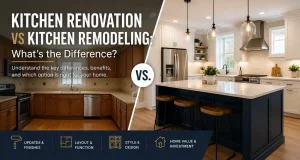
When homeowners begin planning improvements to their kitchens, one of the first challenges they encounter is understanding the terminology used throughout the construction and remodeling industry. The words kitchen renovation and kitchen remodeling are frequently used interchangeably by contractors, designers, real estate professionals, and homeowners. While they share similarities, they are not exactly the same thing.
Understanding the difference between these two concepts can help homeowners set realistic expectations, communicate more effectively with contractors, and make better decisions when planning a project. The distinction also affects project scope, design possibilities, construction requirements, timelines, permits, and long-term outcomes.
In 2026, kitchens continue to serve as more than simply places to prepare meals. They have become gathering spaces, entertainment hubs, remote work environments, and central living areas within modern homes. Because of this evolution, more homeowners throughout Pennsylvania and New Jersey are investing in projects that improve both functionality and aesthetics.
Whether you’re considering kitchen remodeling to completely transform your space or simply updating finishes through a renovation project, understanding the differences between these approaches is the first step toward a successful outcome.
What Is a Kitchen Renovation?
A kitchen renovation focuses on restoring, updating, or refreshing an existing kitchen without fundamentally changing its structure or layout.
The primary goal of renovation is improvement rather than transformation. The room generally maintains the same footprint, traffic flow, plumbing locations, electrical configuration, and overall design structure.
Think of renovation as enhancing what already exists rather than creating something entirely new.
A kitchen renovation may involve replacing worn materials, updating finishes, improving aesthetics, and modernizing features while preserving the original framework of the space.
Common Kitchen Renovation Projects
Many renovation projects focus on visible improvements that help modernize the kitchen while minimizing structural modifications.
Examples often include:
- Cabinet refacing or replacement
- Countertop upgrades
- Backsplash installation
- New flooring
- Updated lighting fixtures
- Appliance replacement
- Sink and faucet upgrades
Although these projects can significantly improve appearance and functionality, the overall layout usually remains unchanged.
Why Homeowners Choose Renovation
Kitchen renovation is often ideal when the existing layout already works well but the materials, finishes, or fixtures have become outdated.
For example, many homeowners in older neighborhoods throughout Philadelphia, Cherry Hill, Moorestown, and West Chester find that their kitchen layouts remain practical even though cabinetry, flooring, and countertops no longer reflect modern design preferences.
In these situations, renovation allows homeowners to refresh the space while maintaining the kitchen’s established structure.
What Is Kitchen Remodeling?
Kitchen remodeling goes beyond updating finishes. Remodeling involves changing the way the kitchen functions, flows, and interacts with surrounding spaces.
The purpose of remodeling is transformation.
Rather than simply improving what already exists, remodeling often reimagines the entire kitchen experience. This may involve structural modifications, layout changes, wall removal, electrical upgrades, plumbing relocation, and significant redesign work.
A remodel addresses how the kitchen works, not just how it looks.
Common Kitchen Remodeling Projects
A remodeling project may include:
- Removing walls
- Expanding kitchen footprints
- Creating open-concept floor plans
- Relocating appliances
- Moving plumbing fixtures
- Reconfiguring cabinet layouts
- Adding kitchen islands
- Modifying structural components
These projects frequently require more planning because multiple construction trades become involved.
Why Remodeling Has Become More Popular
The way families use kitchens has changed dramatically over the last decade.
Many homes built years ago were designed around smaller kitchens separated from living and dining spaces. Today’s homeowners often prefer open environments that encourage interaction and improve traffic flow.
As a result, remodeling projects have become increasingly popular throughout communities such as Langhorne, Newtown, Southampton, Levittown, and King of Prussia.
Homeowners frequently want kitchens that support cooking, entertaining, socializing, studying, remote work, and family gatherings within a single integrated space.
Kitchen Renovation vs Kitchen Remodeling: The Simplest Explanation
The easiest way to understand the distinction is to focus on whether the layout changes.
If the structure and layout remain largely the same while finishes are upgraded, the project is typically considered a renovation.
If walls move, layouts change, utilities are relocated, or the kitchen functions differently after completion, the project is generally considered remodeling.
The difference may seem subtle, but it has a significant impact on planning, design, and construction requirements.
| Kitchen Renovation | Kitchen Remodeling |
|---|---|
| Refreshes existing space | Transforms existing space |
| Keeps current layout | Changes layout |
| Focuses on finishes | Focuses on functionality |
| Limited structural work | Often includes structural work |
| Improves appearance | Improves appearance and workflow |
| Lower construction complexity | Higher construction complexity |
Both approaches can produce beautiful results. The right choice depends on the homeowner’s goals.
How to Know Which Approach Is Right for Your Home
Many homeowners struggle to determine whether renovation or remodeling is the better solution.
The answer often depends on identifying the root problem.
If your kitchen feels outdated but functions well, renovation may be sufficient.
If your kitchen feels cramped, inefficient, disconnected from surrounding spaces, or poorly organized, remodeling may provide greater long-term benefits.
Questions Homeowners Should Ask
Before making decisions, consider the following:
Does the current layout support your daily routines?
Do you have enough storage?
Is traffic flow comfortable?
Does the kitchen connect naturally with nearby rooms?
Are appliances located where they should be?
Do family members frequently compete for workspace?
These questions often reveal whether cosmetic updates alone will solve the problem.
The Functional Benefits of Kitchen Remodeling
One reason remodeling continues gaining popularity in 2026 is its ability to improve daily living.
Unlike simple cosmetic updates, remodeling addresses functionality at its core.
A thoughtfully designed kitchen can make cooking easier, improve organization, increase storage, enhance workflow, and create a more enjoyable experience throughout the home.
Better Workflow Through Improved Design
Professional kitchen design often focuses on workflow efficiency.
One of the most important concepts is the relationship between:
- Refrigerator
- Sink
- Cooking area
When these elements are positioned properly, homeowners can move comfortably throughout the space while preparing meals and completing daily tasks.
Poor layouts often create unnecessary movement and frustration.
Remodeling allows these issues to be corrected.
Increased Storage Opportunities
Storage remains one of the most common complaints among homeowners.
Many older kitchens were designed before modern storage solutions became widely available.
Today’s remodeling projects frequently incorporate:
- Deep drawers
- Pull-out pantry systems
- Corner storage solutions
- Appliance garages
- Custom cabinetry
- Hidden storage features
These improvements help maximize available space while reducing clutter.
The Aesthetic Benefits of Kitchen Renovation
Although remodeling often receives more attention, renovation offers substantial benefits as well.
A kitchen does not necessarily need a complete transformation to feel new.
Updated finishes can dramatically improve visual appeal while maintaining familiar functionality.
Modern countertops, cabinetry, flooring, and lighting can completely change the atmosphere of a room without requiring structural modifications.
For homeowners who are satisfied with their kitchen layout, renovation can deliver impressive results.
Modern Design Trends Influencing Renovations
Several design trends continue shaping kitchen renovations throughout Pennsylvania and New Jersey.
Popular choices include:
- Natural wood finishes
- Quartz countertops
- Warm neutral color palettes
- Statement lighting
- Large-format backsplashes
- Mixed material combinations
These elements help create kitchens that feel contemporary while remaining timeless.
How Building Structure Affects Remodeling Possibilities
One of the biggest differences between renovation and remodeling involves structural considerations.
Remodeling projects often require evaluating:
- Load-bearing walls
- Structural supports
- Framing systems
- Mechanical systems
- Electrical infrastructure
- Plumbing locations
These components determine what modifications are possible and how the project should be executed.
For example, homeowners pursuing Kitchen Remodeling in Bucks County often request open-concept floor plans that connect kitchens with adjacent living areas.
Achieving this design may require removing structural walls and installing engineered support systems.
Similarly, Kitchen Remodeling in Montgomery County frequently involves adapting older homes to modern living standards while maintaining structural integrity.
Kitchen Remodeling in Chester County often presents unique opportunities because many homes combine historic character with contemporary renovation goals.
Understanding these structural considerations helps homeowners appreciate why remodeling typically involves more planning than renovation.
Why Permits May Be Required for Remodeling Projects
Because remodeling frequently affects structural, electrical, and plumbing systems, permits are often necessary.
Permits help ensure that work complies with local building codes and safety standards.
While requirements vary by municipality, remodeling projects commonly require inspections at various stages.
This process protects homeowners and helps ensure long-term safety.
Experienced remodeling contractors understand local regulations throughout Pennsylvania and New Jersey and can guide homeowners through the permitting process efficiently.
Remodeling and Renovation Trends for 2026
Kitchen design continues evolving as homeowners prioritize flexibility, functionality, and personalization.
Some of the strongest trends influencing projects in 2026 include:
Larger Kitchen Islands
Kitchen islands have become central gathering spaces.
Many homeowners use them for food preparation, dining, remote work, homework, and entertaining.
As a result, larger islands continue gaining popularity.
Integrated Storage Systems
Storage is no longer viewed as an afterthought.
Modern kitchens increasingly incorporate customized storage solutions designed around everyday habits and routines.
Open Concept Living
Open layouts remain highly desirable because they improve visibility, communication, and flow between rooms.
Many remodeling projects focus specifically on creating stronger connections between kitchens and surrounding living spaces.
Multi-Functional Design
Today’s kitchens often serve multiple purposes beyond cooking.
Designers increasingly prioritize flexibility, ensuring spaces support both practical tasks and social interaction.
Common Kitchen Renovation Mistakes Homeowners Should Avoid
Whether a homeowner chooses renovation or remodeling, certain mistakes can limit the success of the project. Many of these issues occur during the planning phase rather than during construction itself.
One of the most common mistakes is focusing exclusively on appearance while ignoring functionality. Beautiful finishes can certainly improve the look of a kitchen, but they cannot solve workflow problems, inadequate storage, poor lighting, or inefficient layouts.
Another frequent issue involves underestimating future needs. Families evolve over time, and kitchens should be designed to accommodate changing lifestyles. A kitchen that works perfectly today should still support daily routines years from now.
Homeowners also sometimes select materials based solely on appearance without considering durability and maintenance requirements. Countertops, flooring, cabinetry, and backsplashes should be evaluated not only for aesthetics but also for long-term performance.
Why Planning Matters More Than Most Homeowners Realize
The most successful kitchen projects begin long before construction starts.
A thoughtful planning process helps identify goals, challenges, opportunities, and priorities before major decisions are made.
Professional planning typically evaluates:
- Existing layout efficiency
- Storage requirements
- Appliance placement
- Traffic flow
- Lighting performance
- Future household needs
When these factors are considered early, the final result is usually far more functional and satisfying.
Remodeling Challenges That Require Professional Expertise
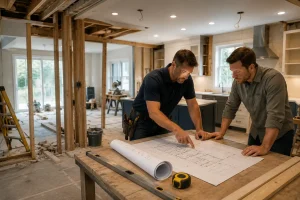
Kitchen remodeling often introduces complexities that homeowners do not initially anticipate.
Unlike cosmetic renovations, remodeling frequently involves multiple systems working together simultaneously. Structural components, plumbing, electrical infrastructure, ventilation requirements, cabinetry design, and finish selections must all be coordinated carefully.
Even seemingly simple layout changes can create ripple effects throughout the project.
For example, relocating a sink may require plumbing adjustments. Moving appliances may require electrical modifications. Removing walls may require structural engineering and framing work.
These interconnected systems are one reason professional remodeling expertise is so valuable.
Structural Considerations During Remodeling
Many homeowners dream of creating open-concept kitchens.
While these designs can dramatically improve functionality and visual openness, achieving them often requires significant structural planning.
Load-bearing walls cannot simply be removed without providing alternative support systems. Professional contractors evaluate structural loads, framing requirements, and building code compliance before making modifications.
This careful approach protects both the safety and longevity of the home.
Kitchen Renovation vs Kitchen Remodeling in Older Homes
Older homes throughout Pennsylvania and New Jersey often present unique opportunities and challenges.
Many properties in communities such as Philadelphia, Glenside, Norristown, and Burlington were built during eras when kitchen design priorities differed significantly from modern expectations.
As a result, homeowners frequently encounter smaller kitchens, limited storage, compartmentalized layouts, and outdated infrastructure.
When Renovation Makes Sense for Older Homes
If the existing layout remains functional and structurally sound, renovation may provide an excellent solution.
Updating cabinetry, countertops, flooring, lighting, and fixtures can dramatically improve appearance while preserving the home’s original character.
This approach is particularly effective when homeowners appreciate the existing floor plan but want a more modern aesthetic.
When Remodeling Provides Better Results
In other situations, the underlying layout itself may be the primary problem.
Narrow walkways, isolated kitchens, insufficient storage, and poor workflow often require more comprehensive changes.
Remodeling allows homeowners to adapt older homes to contemporary lifestyles while maintaining the charm and architectural character that make these properties unique.
How Kitchen Remodeling Improves Home Functionality
A kitchen is one of the hardest-working spaces in any home.
Families use kitchens for cooking, dining, entertaining, studying, socializing, and daily household activities. Because of this, functionality often has a greater impact on satisfaction than appearance alone.
Professional remodeling focuses on creating spaces that support real-life usage patterns.
Improving Traffic Flow
One of the biggest advantages of remodeling is the ability to improve movement throughout the kitchen.
Poor traffic flow can create frustration during everyday activities. Family members may constantly cross paths, workspace may feel crowded, and meal preparation can become unnecessarily difficult.
Thoughtful remodeling addresses these issues through strategic layout improvements.
Creating More Usable Workspace
Counter space remains one of the most requested kitchen improvements.
A well-designed kitchen provides dedicated areas for:
| Kitchen Activity | Workspace Requirement |
|---|---|
| Food Preparation | Open counter surfaces |
| Cooking | Accessible work zones |
| Baking | Expanded prep areas |
| Small Appliances | Dedicated storage and counter space |
| Entertaining | Gathering and serving areas |
Increasing usable workspace often improves both functionality and enjoyment.
Does Kitchen Remodeling Increase Home Value?
Many homeowners wonder whether remodeling is worth the investment from a real estate perspective.
While every market differs, kitchens consistently remain among the most influential spaces when buyers evaluate homes.
An updated kitchen often creates a strong first impression because it represents one of the most frequently used and visually prominent areas of the property.
Why Buyers Pay Close Attention to Kitchens
Potential buyers often evaluate:
- Layout efficiency
- Cabinet quality
- Countertop materials
- Storage capacity
- Lighting
- Appliance integration
- Overall condition
A kitchen that feels modern, functional, and well-maintained can positively influence how buyers perceive the entire home.
This is one reason many homeowners prioritize kitchen improvements before selling.
Long-Term Value Beyond Resale
Home value is only one component of the equation.
Many homeowners discover that the greatest return comes from daily enjoyment of the improved space.
Better organization, enhanced functionality, increased comfort, and improved aesthetics contribute to quality of life long before a property is ever listed for sale.
Choosing Materials for Kitchen Renovation and Remodeling Projects
Material selection influences both appearance and long-term performance.
The best choices balance durability, maintenance requirements, functionality, and visual appeal.
Cabinet Materials
Cabinetry often represents one of the most visible elements within a kitchen.
Homeowners frequently evaluate options based on:
- Durability
- Style preferences
- Storage features
- Finish quality
- Maintenance needs
The right cabinet solution should support both current and future household needs.
Countertop Options
Countertops serve as both functional work surfaces and design focal points.
Popular selections in 2026 include engineered stone surfaces, quartz materials, natural stone alternatives, and other durable options that combine performance with aesthetic appeal.
Flooring Considerations
Kitchen flooring experiences constant daily use.
Because of this, homeowners often prioritize materials that provide:
- Durability
- Easy maintenance
- Moisture resistance
- Comfort underfoot
- Long-term visual appeal
The flooring choice should complement both the design style and practical requirements of the space.
Frequently Asked Questions About Kitchen Renovation and Kitchen Remodeling
Is Kitchen Renovation the Same as Kitchen Remodeling?
No.
Kitchen renovation generally focuses on updating finishes and improving appearance while maintaining the existing layout. Kitchen remodeling involves changing how the kitchen functions, often including layout modifications, structural work, or utility relocation.
Which Option Is Better for Most Homes?
The answer depends on the goals of the project.
If the layout already works well, renovation may provide excellent results. If functionality, storage, workflow, or space limitations are causing problems, remodeling may offer greater benefits.
Can Remodeling Include Renovation Elements?
Yes.
Many remodeling projects incorporate renovation improvements such as new cabinetry, countertops, flooring, and lighting while also changing the layout and structure of the space.
Do Older Homes Benefit More From Remodeling?
Often, yes.
Older homes frequently contain layouts that no longer align with modern lifestyles. Remodeling allows homeowners to improve functionality while preserving the character of the property.
What Should Homeowners Prioritize First?
Most professionals recommend evaluating functionality before focusing on aesthetics.
A beautiful kitchen that functions poorly will likely create ongoing frustration. A functional kitchen provides value every day.
How Long Should a Kitchen Design Last?
A well-planned kitchen should remain functional and visually appealing for many years. Selecting timeless design elements and durable materials helps maximize long-term satisfaction.
Final Thoughts on Kitchen Renovation vs Kitchen Remodeling
Understanding the difference between kitchen renovation and kitchen remodeling helps homeowners make more informed decisions when planning home improvement projects.
Renovation focuses on refreshing and modernizing an existing kitchen while maintaining its core structure. Remodeling transforms how the kitchen functions, often involving layout changes, structural modifications, and comprehensive redesign work.
Neither approach is inherently better than the other. The right choice depends on the goals of the homeowner, the condition of the existing kitchen, and the desired outcome.
For some families, updated finishes and improved aesthetics may be all that is needed. For others, a complete transformation may provide the functionality and flexibility necessary to support modern living.
By understanding these distinctions, homeowners can better align their renovation goals with the solutions that will deliver the greatest long-term satisfaction.
Ready to Start Your Kitchen Remodeling Project?
Whether you’re considering a full kitchen transformation or exploring ways to improve your current space, the team at A&K Remodeling can help guide you through every stage of the process.
From layout planning and structural improvements to cabinetry, flooring, countertops, and finishing details, we create kitchens designed around the way you live.
Visit our Contact Page to discuss your project or call us today.
Call A&K Remodeling: +1 (267) 389-9449
Explore Kitchen Remodeling Services Throughout Pennsylvania and New Jersey
Every home is unique, and local knowledge can make a meaningful difference when planning a kitchen renovation or remodeling project. A&K Remodeling proudly serves homeowners across Pennsylvania and New Jersey, providing customized kitchen solutions designed around each family’s goals, lifestyle, and property requirements.
If you’re located in one of the communities below, explore our dedicated local pages to learn more about our kitchen remodeling services:
- Kitchen Remodeling in Langhorne, PA
- Kitchen Remodeling in West Chester, PA
- Kitchen Remodeling in Abington Township, PA
- Kitchen Remodeling in Bensalem, PA
- Kitchen Remodeling in Beverly, NJ
- Kitchen Remodeling in Burlington, NJ
- Kitchen Remodeling in Cherry Hill, NJ
- Kitchen Remodeling in Cinnaminson, NJ
- Kitchen Remodeling in Conshohocken, PA
- Kitchen Remodeling in Glenside, PA
- Kitchen Remodeling in King of Prussia, PA
- Kitchen Remodeling in Levittown, PA
- Kitchen Remodeling in Malvern, PA
- Kitchen Remodeling in Medford, NJ
- Kitchen Remodeling in Moorestown, NJ
- Kitchen Remodeling in Neshaminy, PA
- Kitchen Remodeling in Newtown, PA
- Kitchen Remodeling in Norristown, PA
- Kitchen Remodeling in Philadelphia, PA
- Kitchen Remodeling in Southampton, PA
- Kitchen Remodeling in Willow Grove, PA